. 05/10/2024 1:21 PM
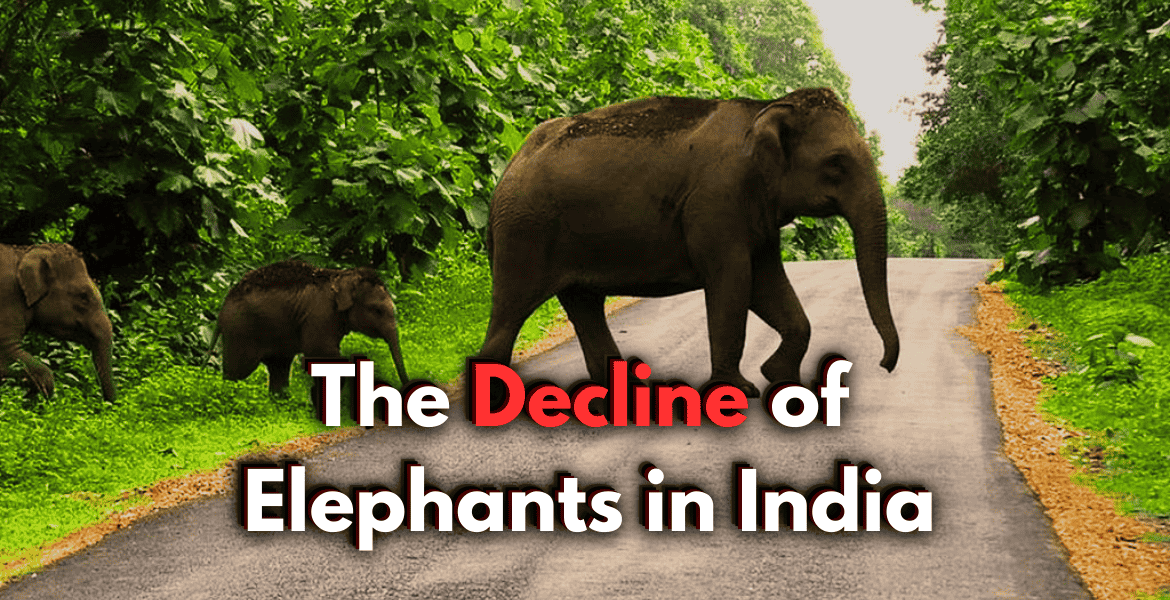
The Indian elephant (Elephas maximus indicus), a cultural icon and keystone species, is facing a significant decline in population across the country. Despite representing around 60% of the Asian elephant population, recent studies reveal alarming trends that threaten their existence. This article delves into the key factors contributing to the decline of elephants in India, their ecological importance, and the urgent need for effective conservation strategies.
.png1728121457.png)
Habitat Loss: Rapid urbanization, agricultural expansion, and developmental projects have encroached upon and fragmented elephant habitats, limiting their movement and access to resources.
.png1728121620.png)
Poaching: The demand for ivory and other elephant products has led to rampant poaching, posing a severe threat to their populations.
.png1728121628.png)
Human-Elephant Conflict: As elephants venture into agricultural areas in search of food, conflicts with humans increase, often resulting in retaliatory killings.
Climate Change: Changing weather patterns affect food and water availability, pushing elephants into human-dominated landscapes.
Low Genetic Diversity: Declining populations have resulted in reduced genetic diversity, making elephants more susceptible to disease and less resilient overall.
The counting of elephants in India is conducted every five years through a synchronized population estimation exercise involving multiple states. However, in 2023, the Environment Ministry shelved its report on the latest census, citing delays in collecting data from northeastern states. Preliminary data indicates a concerning 20% decrease in the overall elephant population compared to previous estimates.
The unreleased census report highlights alarming declines in various regions. The Central Indian and Eastern Ghats have experienced a staggering 41% drop since 2017, with states like Southern West Bengal, Jharkhand, and Odisha witnessing losses of 84%, 68%, and 54%, respectively. The Western Ghats have also seen a decline of around 18%, primarily due to significant losses in Kerala.
.png1728121644.png)
Indian elephants are native to the Indian subcontinent and are characterized by their smaller, rounded ears, thinner skin, and less hair compared to African elephants. They are highly intelligent, social animals that live in matriarchal family groups. As herbivores, they play a crucial role in their ecosystems by maintaining biodiversity, creating pathways through dense vegetation, and dispersing seeds.
Research by the National Centre for Biological Sciences (NCBS) and the Indian Institute of Science (IISc) has identified five genetically distinct populations of Indian elephants across the country. Historical migrations from north to south have led to a loss of genetic diversity over millennia, with southern populations showing particularly low genetic vigor. This underscores the need for tailored conservation strategies for each population.
.png1728121662.png)
The genetic history of Indian elephants reveals significant divergences among populations, with the northern population separating approximately 70,000 to 100,000 years ago and southern populations diverging only about 20,000 to 30,000 years ago. This genetic divergence, coupled with the phenomenon of inbreeding due to smaller population sizes, poses serious risks to their survival.
Elephants are integral to maintaining ecosystem health and biodiversity. Their foraging habits create pathways through dense forests, aiding the movement of other species. They also contribute to seed dispersal and habitat modification, helping sustain various plant and animal communities. The presence of elephants enhances the ecological balance and supports numerous other species in their habitats.
.png1728121772.png)
In February 2023, the Indian government printed the elephant census report but subsequently shelved it due to delays in collecting data from northeastern states. The interim report indicates a significant decline in elephant populations across the country, primarily attributed to habitat fragmentation and developmental pressures. The Environment Ministry has announced that the final report, including data from the northeastern states, is expected by June 2025.
The plight of Indian elephants reflects a broader environmental crisis characterized by habitat loss, poaching, and human-animal conflict. Urgent action is needed to address these issues, including restoring habitats, implementing effective conservation strategies, and promoting awareness among local communities. By supporting conservation efforts, we can help secure a future for these magnificent animals and maintain the ecological balance they help uphold.